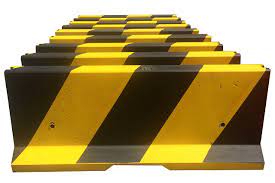
New Jersey barriers are durable concrete structures designed to control and guide vehicle movement while enhancing safety on roads and construction sites. Their distinctive sloped design helps redirect vehicles during impact New Jersey barriers (barriere new jersey), reducing damage and minimizing the risk of severe accidents. Over the years, they have become an essential component in traffic management and safety planning due to their proven effectiveness and reliability.
Why Are New Jersey Barriers Considered the Standard for Safety?
The design and engineering behind New Jersey barriers make them one of the most trusted safety solutions worldwide. Their ability to withstand high-impact collisions and prevent vehicles from crossing into opposing lanes sets them apart from other types of barriers. They not only improve traffic flow but also protect construction workers, pedestrians, and property in busy areas. Their consistent performance under challenging conditions has established them as the industry standard for both temporary and permanent safety applications.
How Do New Jersey Barriers Enhance Road Safety?
These barriers work on the principle of controlled redirection. When a vehicle collides with the sloped surface, the design redirects its motion upward and away from the opposing side rather than stopping it abruptly. This reduces the severity of the impact and prevents rollovers. Additionally, their robust construction ensures that they remain stable even under repeated impact or harsh weather conditions, providing continuous protection without frequent maintenance.
Where Are New Jersey Barriers Commonly Used?
New Jersey barriers are widely utilized in a variety of environments, including highways, bridges, tunnels, and construction sites. In urban areas, they are used to manage traffic around work zones, temporary diversions, or pedestrian pathways. They are also employed in parking facilities, event venues, and industrial sites to create safe boundaries and prevent unauthorized access. Their versatility allows them to be adapted to both permanent infrastructure and short-term safety projects.
What Are the Advantages of Using Concrete New Jersey Barriers?
One of the greatest advantages is their exceptional durability. Made from reinforced concrete, these barriers resist impact, corrosion, and environmental wear. Their long service life reduces replacement costs, making them a cost-effective solution for safety management. Moreover, they require minimal maintenance, which adds to their practicality in large-scale infrastructure projects.
Conclusion
New Jersey barriers continue to set the benchmark for road and site safety through their strength, design efficiency, and adaptability. Their ability to protect motorists, workers, and the public makes them an indispensable part of modern safety infrastructure. As transportation networks and construction projects expand, New Jersey barriers remain the trusted choice for creating safer, more organized environments.